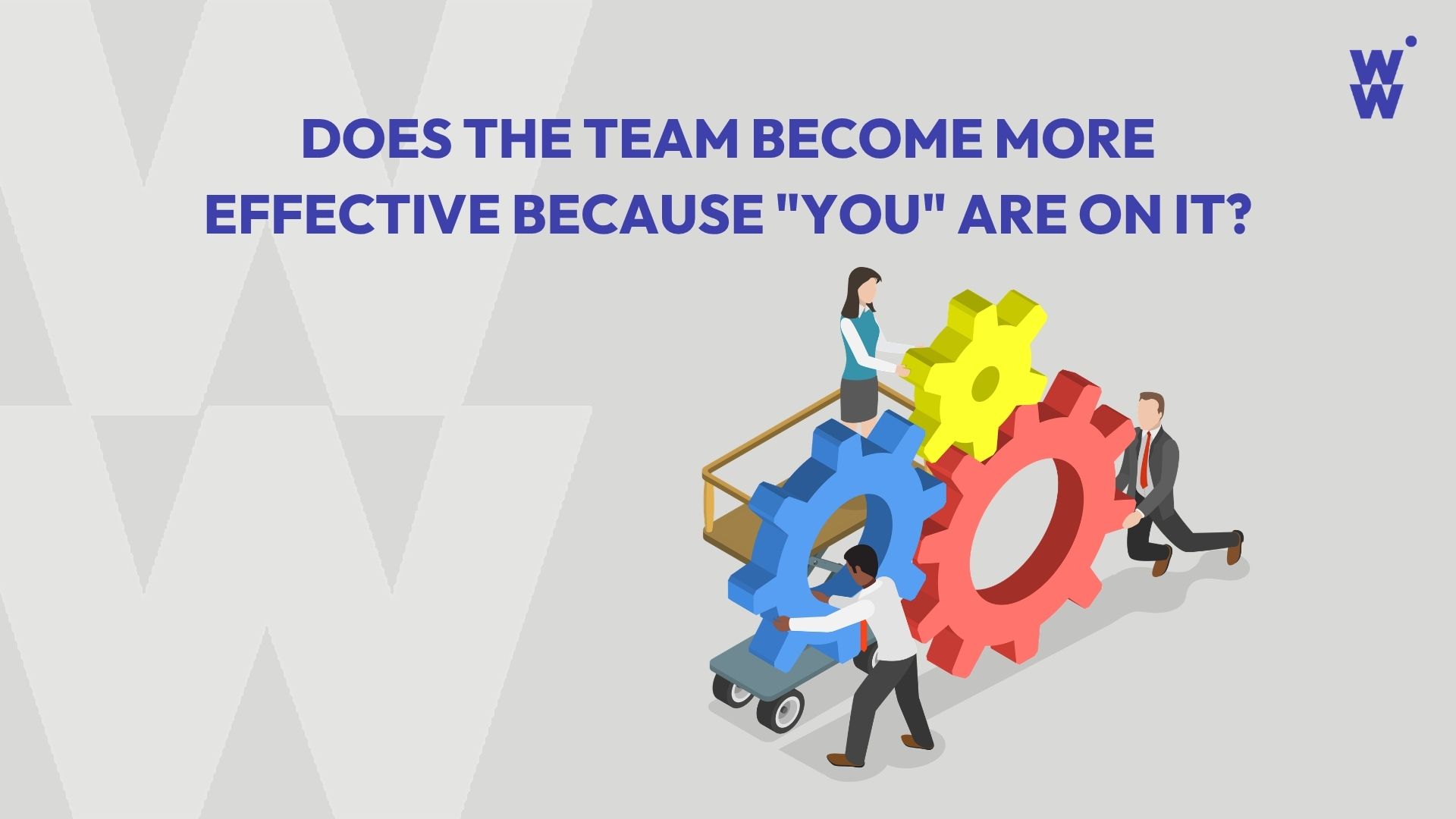
There is a question I keep returning to, one that has quietly reshaped how I think about leadership more than any framework ever has: Does the Team Become More Effective Because "You" Are on It?
It isn't because your team happened to have lots of talented people; it's because of you—your decisions, your habits, your presence in the room. This is the essence of what I call the “Founder Mindset”: not the mindset of someone who owns a company, but of someone who owns the outcome, regardless of title. It asks whether your leadership style is the reason the work moves faster, or the reason it doesn't.
Minimise Ambiguity
Every team has a finite amount of attention, spent once and gone. When you are vague about objectives or deadlines, that ambiguity doesn't disappear—it becomes your team's problem to carry, multiplying into repeated questions and quiet anxiety about whether the work being done is even the right work.
I've come to see clarity not as a communication skill but as an act of leadership. When you are precise about what "done" looks like, you hand your team back their time. When you are vague—because you haven't decided yet, or because ambiguity feels safer than commitment—you are the one borrowing that time from them.
If your presence creates friction instead of direction, you are not making the team more effective. You are the bottleneck all clarity must pass through.
Don't Overcomplicate the Simple Things
Leadership has a peculiar habit of mistaking thoroughness for value. We hover over the 5% of a task that barely matters, while the 95% that actually determines success moves forward on its own. This is often what micromanagement really is: not malice, but a misplaced sense that attention itself is contribution.
Complexity added where it isn't needed still has a cost, almost always paid in time. Every unnecessary review cycle, every extra "can you also just check," taxes the team's momentum. None of it feels significant in the moment. All of it compounds.
The leaders worth emulating know which 5% deserves obsessive attention, and which 95% deserves trust.
Foster Constructive Conflict
We treat harmony as the goal of a healthy team, but I've started to believe the opposite: a team with no disagreement has often stopped thinking critically together. Conflict anchored to the work, not the person, is a healthy sign as it means people still care enough to argue.
The leader's task isn't to eliminate disagreement but to give it somewhere safe to go, so a junior voice can challenge a senior idea without it becoming personal. A team that argues well is a team that trusts itself and a leader who keeps that friction productive is, again, making the team easier to work with.
Empower Others to Grow
Perhaps the clearest test of the founder mindset is this: how do you feel when someone on your team outperforms you?
A smaller, more fearful version of leadership hoards information as job security—withholding context, delaying feedback, believing that being indispensable is safer than being replaceable. That isn't leadership. It's self-preservation wearing leadership's title, and it caps the team at the leader's own limitations.
The harder, more honest alternative: your value never lived in what only you know, but in what you help others become capable of. When everyone levels up, the ceiling doesn't just rise—it stops being fixed. A secure leader doesn't feel threatened by someone else's success. They see it as proof the system is working.
The Conclusion I Keep Arriving At
Leadership was never about being irreplaceable. It was about making replacement unnecessary—because you built a team and a culture that keeps functioning and improving independent of any single person, including you.
A leader who feels secure only by controlling information or gatekeeping power isn't protecting their value. They're quietly limiting the team they were meant to elevate.
AI can answer questions, draft documents, even simulate empathy on command. But as long as organisations are made of people, someone will need to do the work of helping people work better together. AI was never going to be the one to do that.
Interested in leading better? I work with MNC leaders, creators, and artists who want to lead from their strengths and build teams that actually perform. If that's a conversation worth having, reach out.
Or go deeper here: 10 Leadership Skills Your Team Can Actually See: A Guide to Authentic Leadership — the habits that separate leaders who are genuinely felt by their teams from those who just hold the title.
About the Author